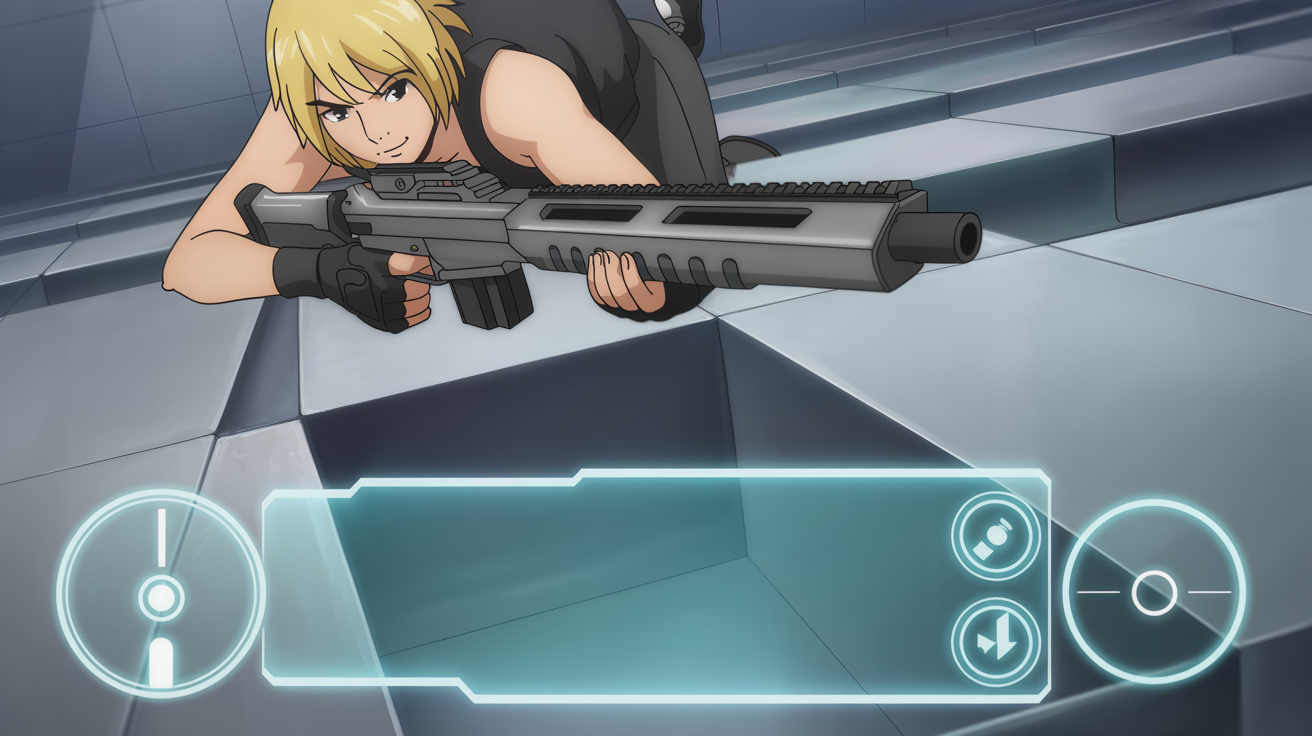
Dev Log #2 – Map Design and Game Flow
Our biggest claim in the game is this: How did such a large map fit on a mobile phone screen? In this second development diary, we explain Battlestrike's map design approach and how we established the match flow (game loop).
Large map, small screen: The core problem
When designing maps for mobile games, everything suddenly becomes twice as hard: the screen is small, the field of view is limited, the player controls with fingers, and decisions must be made very quickly. When you make a map too large, the player risks getting "lost"; when you make it too small, the game turns into a suffocating corridor war.
In Battlestrike, our goal is to strike the right balance between these two extremes: maps large enough to give a sense of vastness, simple enough to remain readable, and featuring enough options to allow for tactics.
Fast-paced but understandable: Our design philosophy
Battlestrike is a fast-paced action game. However, being fast doesn't have to mean being "complex." On the contrary, for a good mobile experience, the player needs to be able to read the map in the first minute. Therefore, our maps:
- Will not be too confusing (readable paths, clear objective points)
- Will allow for tactics (alternative routes, side passages, flanking opportunities)
- Will offer a flow that is easy to learn but hard to master
At every point on the map, there should be an answer to the question "what should I do?". Players should be able to choose their route quickly, enter and exit combat, and easily understand positions that will support their team.
Spatial distribution: Narrow corridors, open areas, elevation differences
Maps will not be too complex, but they will leave enough space to allow for tactics. While establishing this balance, we specifically use three building blocks together:
- Various elevations: High ground provides an advantage but shouldn’t be "invincible." High points always have counter-play options (alternative exits, side routes, line-of-sight breaking objects).
- Narrow corridors: Used for close-quarters combat and increasing the tempo. However, to prevent narrow areas from becoming single-route bottlenecks, side connections and escape lines are designed.
- Open areas: Offer long lines of sight and highlight aiming skills. Open areas always contain cover, barriers, and route diversity.
When you use this trio in balance, the map flows quickly and leaves room for the player to make decisions: answers to questions like "Should I push now, take a position, or return to the team?" become visible on the map.
Game flow: A loop that guides without exhausting the player
We don't think of map design in isolation. The map needs to work in tandem with the rhythm of the match. While establishing the match flow in Battlestrike, we pay attention to these principles:
- First contact should be fast: Players shouldn't have to search for "where is the action?" when they enter the game.
- Mid-game should be a tactical space: Rotations, flanking, and team coordination should gain value.
- Final encounters should be clear: The end of the match shouldn't feel chaotic; it should feel readable and competitive.
This loop offers "something to do at every moment" to both solo and team players. Map design is shaped to support this flow.
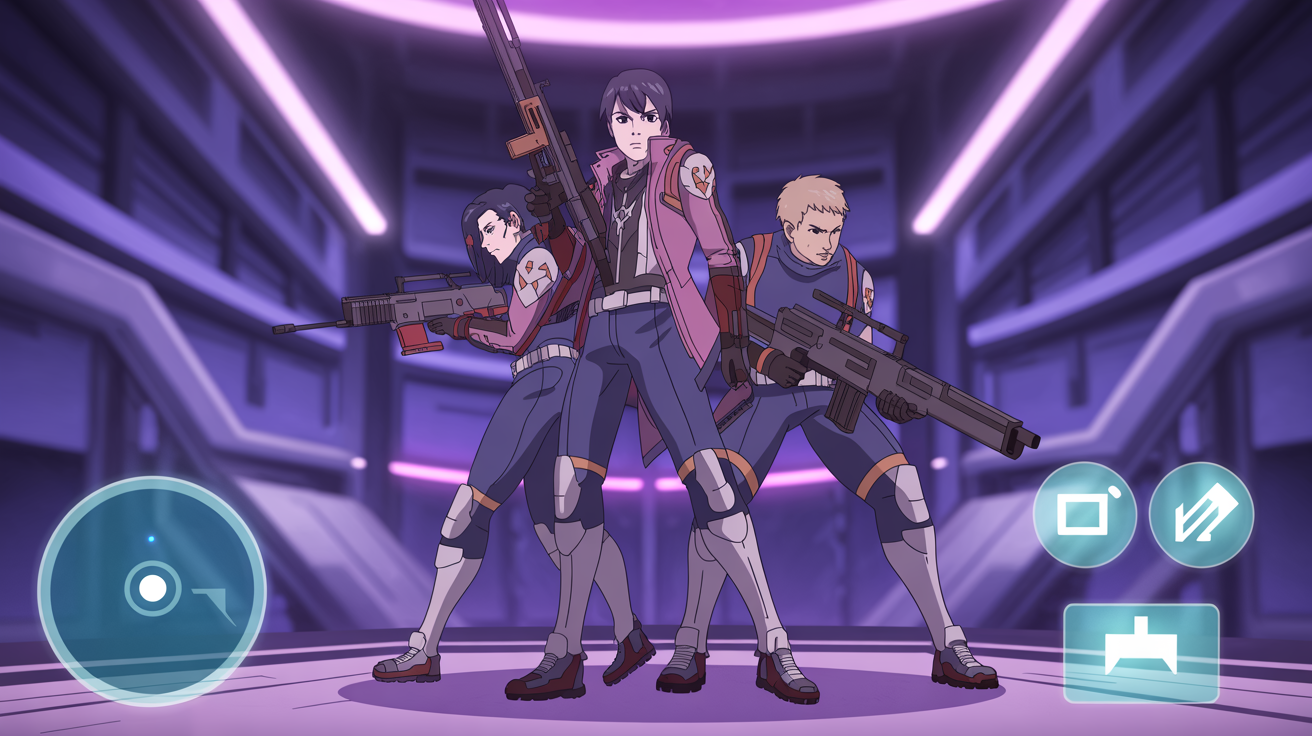
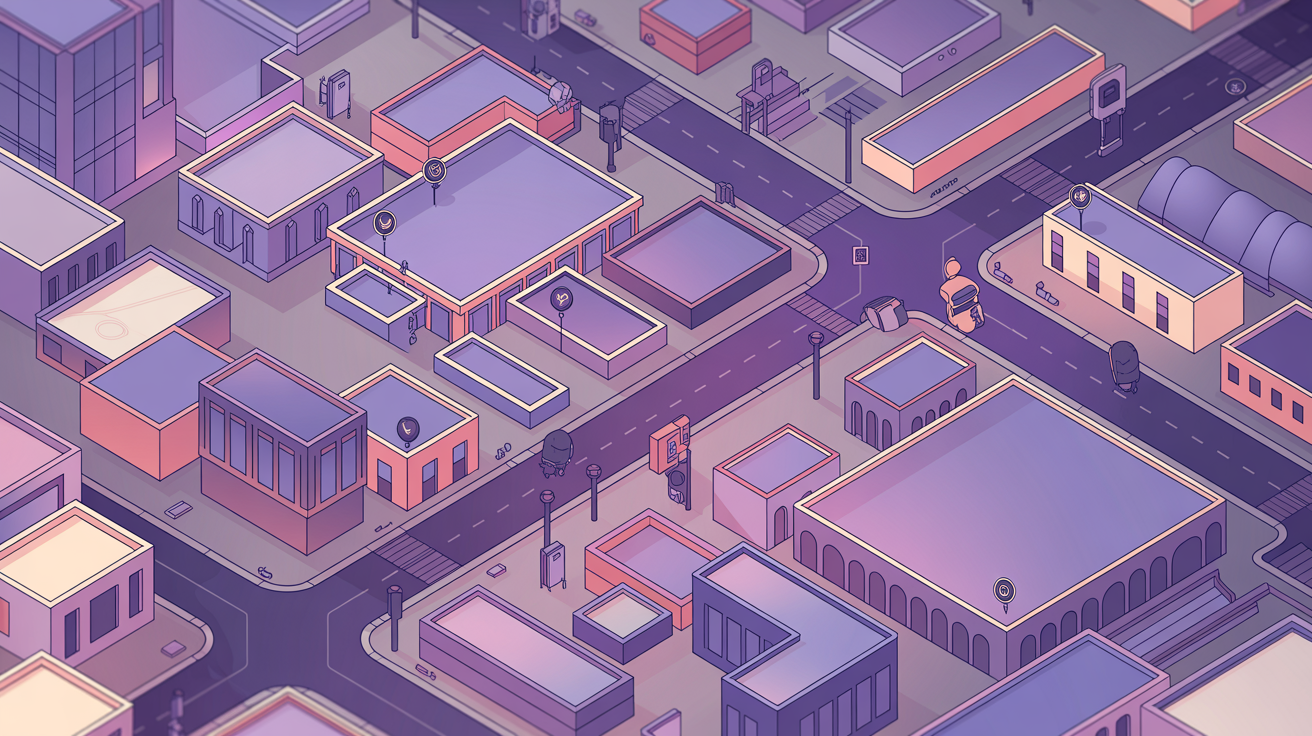
Battlestrike Map Design
Our long-term goal in map design is for players to feel more powerful as they learn a map. "Map reading" skills should come to the fore rather than map memorization. For this reason, critical zones, transition points, and combat areas will be visually distinguished; players will be able to sense where they are going and what they will encounter.
What is coming in the future?
In the following stages, special maps suitable for different game modes will be added. While we are currently working on the prototype flow, we are designing the map system to be flexible and compatible with modes:
- Team Deathmatch (TDM): Fast spawn cycles, clear combat zones.
- Point Capture / Target Defense: Rotation and team coordination based on control points.
- Future battle royale-like experiences: Larger areas, different match rhythms, and exploration-focused flow.
In short: We design maps not only for today's match flow but also for the needs of the modes we will add in the future. Thus, when new modes arrive, instead of learning a "new map language," a natural transition within the general logic of Battlestrike will be provided.